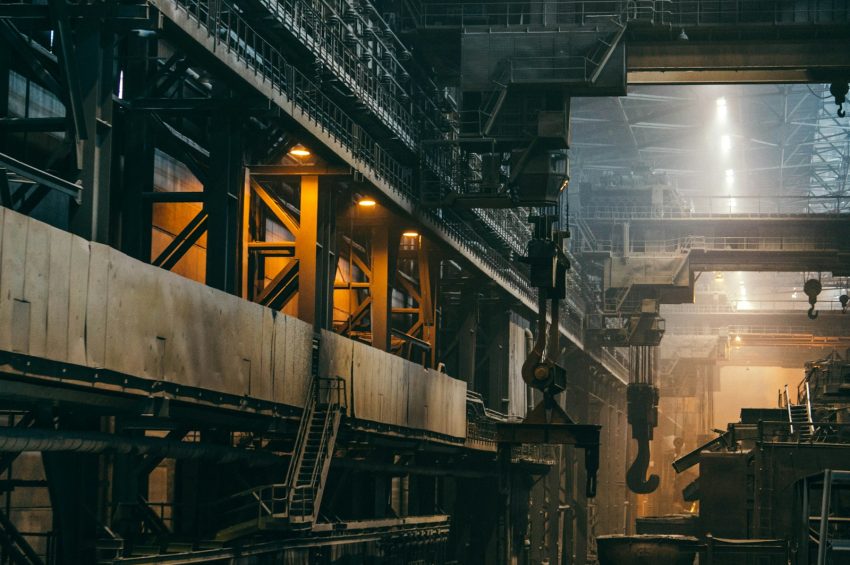
As industries evolve to meet global environmental goals, the shift toward sustainable factories is no longer optional—it’s essential. Sustainable factories are transforming the way goods are produced, focusing on energy efficiency, responsible resource use, and social accountability. These forward-looking facilities are not just about reducing carbon emissions; they represent a complete rethink of manufacturing culture, technology, and purpose.
What Defines a Sustainable Factory?
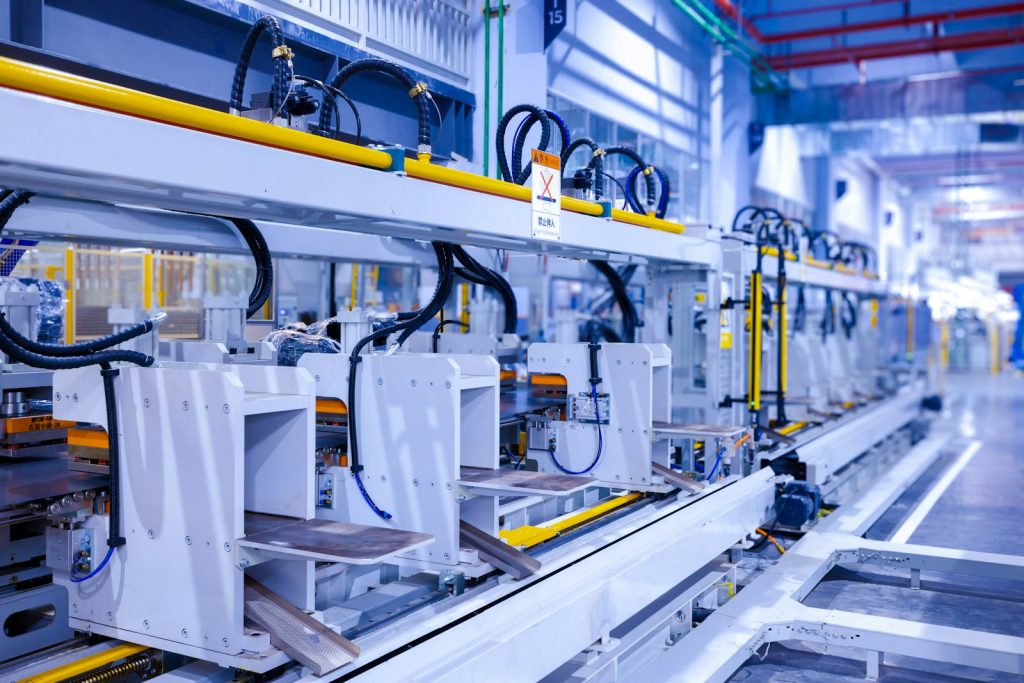
A sustainable factory is more than just a facility that reduces waste—it’s a production ecosystem built on the principles of efficiency and circularity. Such factories integrate renewable energy sources, advanced waste management systems, and smart technologies to minimize environmental impact.
Key elements include water recycling systems, energy-efficient machinery, and optimized supply chains that reduce transportation emissions. Many modern factories also design their layouts to maximize natural light and airflow, improving worker well-being while lowering energy use. The goal is simple: create more while consuming less, and ensure production supports both the planet and the people behind it.
Energy Efficiency and Renewable Power
Energy efficiency is at the heart of sustainable manufacturing. Traditional factories often rely on fossil fuels and outdated equipment, leading to massive energy loss. Sustainable factories, on the other hand, integrate renewable energy systems such as solar panels, wind turbines, and bioenergy to power operations.
Automation and digital monitoring tools help track real-time energy consumption, identifying areas for improvement. By upgrading to high-efficiency motors and LED lighting, factories can reduce energy use dramatically. Even small changes—like optimizing heating, ventilation, and air-conditioning systems—can contribute to significant energy savings over time.
Waste Reduction and Circular Production Models
In a sustainable factory, waste is not seen as a by-product but as a resource. The circular economy model encourages the reuse, recycling, and repurposing of materials to minimize landfill waste. For instance, metal and plastic waste generated from oil and gas tools and equipment manufacturing can be collected and recycled back into production lines, reducing environmental footprint while saving raw material costs.
Factories that adopt closed-loop systems can recover water, chemicals, and other resources from production processes, feeding them back into the system instead of discarding them. This not only reduces environmental impact but also lowers operational costs, proving that sustainability and profitability can coexist.
Smart Manufacturing and Digital Innovation
Digital transformation plays a vital role in building sustainable factories. The use of smart sensors, data analytics, and artificial intelligence allows manufacturers to monitor every aspect of production, from raw material usage to energy flow.
Predictive maintenance technologies can detect inefficiencies before they become costly breakdowns, reducing waste and extending machinery lifespan. Robotics and automation further enhance precision, cutting down on defective products and resource overuse. By merging sustainability with Industry 4.0 technologies, factories can become more resilient, adaptive, and responsible.
Water and Resource Management
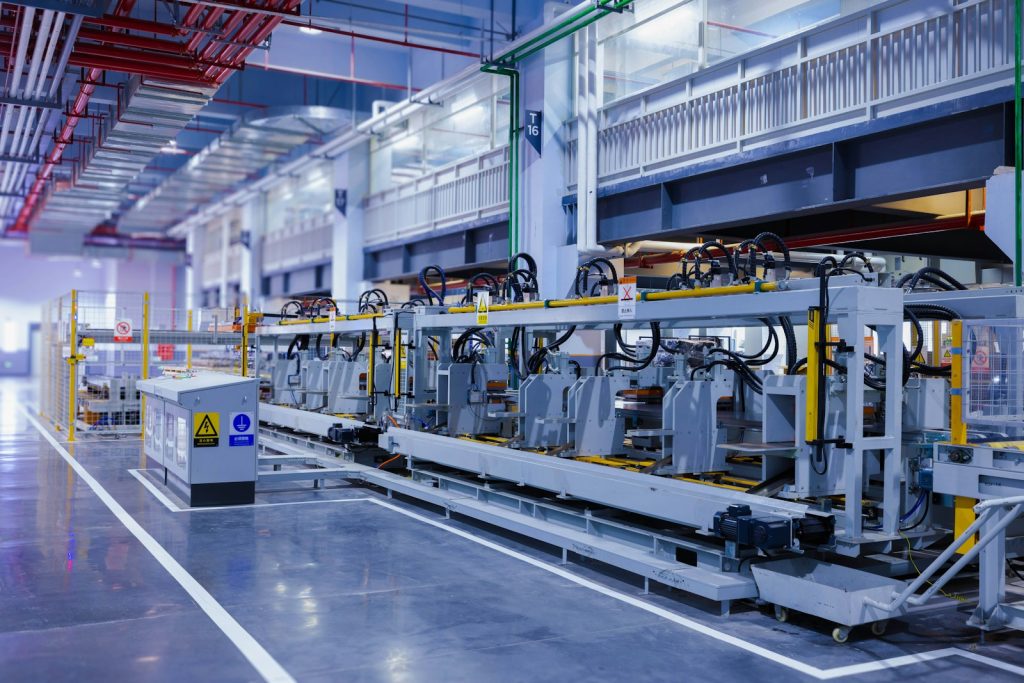
Water scarcity is a global issue, and manufacturing industries are among the biggest consumers. Sustainable factories are leading the charge in conserving water through innovative systems like greywater recycling and rainwater harvesting.
For example, some facilities have started using FRP pipeline systems that are corrosion-resistant and lightweight, offering long-lasting water transport solutions with minimal maintenance. These pipelines not only improve water management efficiency but also align with the goal of reducing material waste and energy consumption.
The Human Side of Sustainability
A truly sustainable factory also prioritizes its workforce. Ethical labor practices, safe working conditions, and employee well-being are integral to sustainability. Designing comfortable, naturally lit workspaces, offering skills training, and promoting diversity all contribute to a healthier work culture.
Factories that value their people often experience higher productivity and lower turnover. Social sustainability strengthens a company’s reputation and fosters long-term growth, aligning environmental goals with human development.
Supply Chain Transparency and Responsibility
Sustainability does not stop at the factory door. It extends to the suppliers, logistics partners, and even customers. Transparent supply chains ensure that every stage of production follows ethical and environmental standards.
Tracking technologies can verify the origin of raw materials and ensure responsible sourcing. Meanwhile, collaboration between manufacturers and local suppliers helps cut transport emissions and support local economies—a win-win for business and community alike.
Challenges and the Road Ahead
Transitioning to sustainable factories is not without challenges. Initial investments in renewable energy systems, digital tools, and infrastructure upgrades can be significant. Smaller manufacturers may find it difficult to bear these costs without government incentives or partnerships.
However, the long-term benefits outweigh the challenges. Lower energy bills, improved efficiency, and brand trust make sustainability a powerful business strategy. As consumer awareness grows, companies that fail to adapt risk being left behind in a world that increasingly values responsibility over convenience.
The Future of Sustainable Manufacturing
The future of sustainable factories lies in collaboration, innovation, and commitment. Governments, corporations, and consumers must work together to accelerate green transitions in manufacturing. With continuous innovation in materials science, renewable energy, and digital technology, sustainable production is becoming more attainable every day.
From small workshops to large industrial plants, the global shift toward sustainability signals a new era—one where production supports both prosperity and the planet. Sustainable factories are not just the future of manufacturing—they’re the foundation of a smarter, more balanced world.